
Working with us
How to budget for landscaping on your property in 2027
By JJ Lippe ·
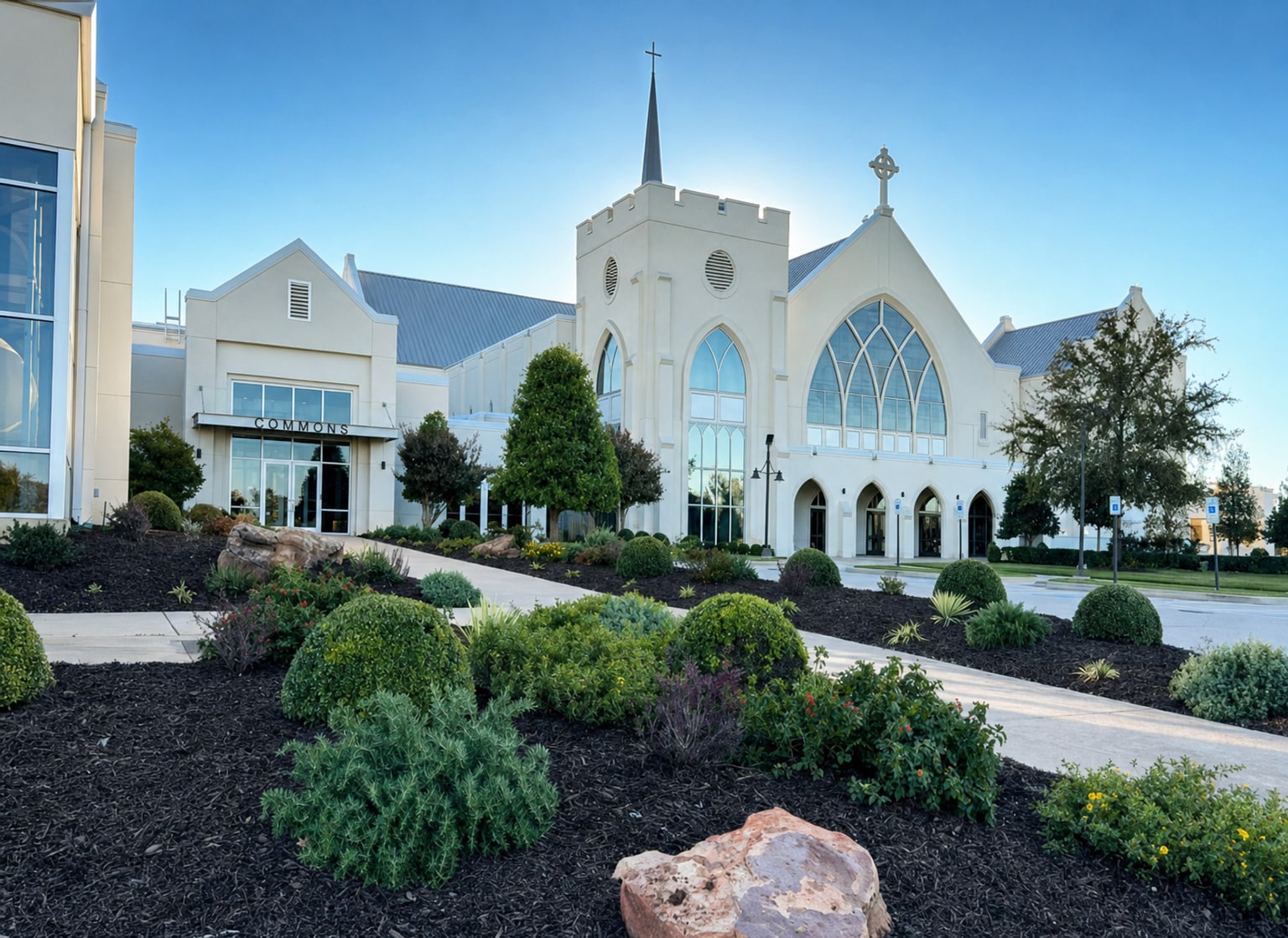
Whether you manage an HOA, an office park, a retail center, or an industrial site, landscaping is one of the most visible line items in your operating budget. It’s the first thing residents, tenants, customers, and prospects see every single day. When the landscape budget is built well, the property looks sharp all year and there’s no scrambling for extra funds in July. When it’s built poorly, you end up choosing between dead turf and a budget overrun.
If you’re finalizing your 2027 budget right now, here’s how to plan your landscape spending so there are no surprises.
1. Start with the base maintenance contract
Your base maintenance contract covers the routine work that keeps the property looking cared for: mowing, edging, trimming, blowing, bed weeding, shrub pruning, and litter pickup. This should be a fixed monthly amount you can count on.
Before you plug last year’s number into the new budget, check:
- Is the scope still right? New amenity areas, added buildings or parking areas, a new phase handed over by the developer, or changes to common areas all add work.
- Are mowing visits and service frequencies spelled out? A contract that lists the number of visits per season is easier to budget than one that just says “weekly as needed.”
- Is there a price adjustment for 2027? Ask your contractor early so the increase, if any, is in the budget instead of a mid-year surprise.
2. Budget irrigation repairs separately
Irrigation is where many property budgets get blown. Broken heads, leaking valves, damaged lines, and controller issues are normal wear on any system, and North Texas heat and freezes make them more frequent. On commercial sites, mowers, vehicles, and foot traffic near curbs and parking islands add to the damage.
We recommend a dedicated irrigation repair line rather than rolling repairs into general maintenance. Look at what you actually spent on repairs over the last one to two years and use that as your starting point. If your system is older, or you’ve had recurring problems in certain zones, plan for more.
It’s also worth budgeting for a smart controller upgrade if your property is still on older clocks. Weather-based controllers adjust watering to actual conditions, which can noticeably reduce your water bill and your repair calls from overwatering.
3. Plan for seasonal color and mulch
Seasonal color at entrances, amenity areas, building entries, and storefronts makes the first impression. Decide how many rotations you want per year (many properties do two: spring/summer and fall/winter) and which beds get color. For retail centers and office properties, timing a fresh rotation before your busiest season gets the most out of the investment.
Mulch keeps beds looking finished, holds moisture through the summer, and helps with weed control. Most properties need a fresh application once or twice a year. Get both priced by your contractor so the numbers are real, not estimates.
4. Don’t forget the trees
Trees are the most valuable living asset on the property, and the most expensive to replace. Budget for:
- Routine pruning and canopy raising over sidewalks, streets, parking lots, and signage
- Removal of dead or hazardous trees
- Treatment for pests and disease where needed
Have a licensed arborist walk the property once a year and give you a prioritized list. That lets you spread tree work across the year instead of paying emergency rates after a storm, and it keeps limbs off of cars, buildings, and visitors.
5. Set aside money for enhancements
Enhancements are the projects that improve the property rather than just maintain it: refreshing a tired entrance, upgrading the landscape around an amenity center or building entry, replacing struggling turf, adding drought-tolerant beds, or updating landscape lighting. Even a modest enhancement line lets you tackle one visible improvement a year, which residents, tenants, and prospects notice.
If you have a bigger project in mind, ask your landscape partner for a phased plan you can spread over two or three budget years.
6. Build in a storm and contingency line
North Texas weather is unpredictable. Ice storms, hail, high winds, and flash freezes can mean debris cleanup, tree work, and plant replacement on short notice. A contingency line keeps you from having to go back to ownership, the board, or your reserves when it happens.
7. Don’t overlook water costs
Water often isn’t part of the landscape contract, but it’s directly tied to it. Review your water bills from the past year alongside your irrigation schedule. If usage is high, an irrigation audit can find leaks, overspray, and zones that are watering more than they need to. Savings there can help fund other landscape priorities.
A simple budget checklist
- Base maintenance contract (with 2027 pricing confirmed)
- Irrigation repairs
- Smart controller or irrigation upgrades
- Seasonal color rotations
- Mulch
- Tree care and arborist work
- Enhancements
- Storm and contingency
- Water
Get real numbers before you finalize
The best landscape budgets are built on real proposals and a walk of the property, not last year’s numbers plus a guess. At Sage & Stone Landscapes, we help HOA boards, community managers, and commercial property managers across Dallas-Fort Worth put together landscape budgets that match their property’s goals, with everything in-house: maintenance, irrigation, tree care, and enhancements.
Planning your 2027 budget? Schedule a free property walk with our team. Call 469-516-5776 or email office@sageandstonelandscapes.com.